A GOOD DAY STARTS SMALL
Make room
for slow mornings.
A little warmth. A little wonder. A coffee concept for the first ten minutes of your day — before the rest of the world rushes in.
Find your morning ↗SLOW.✳
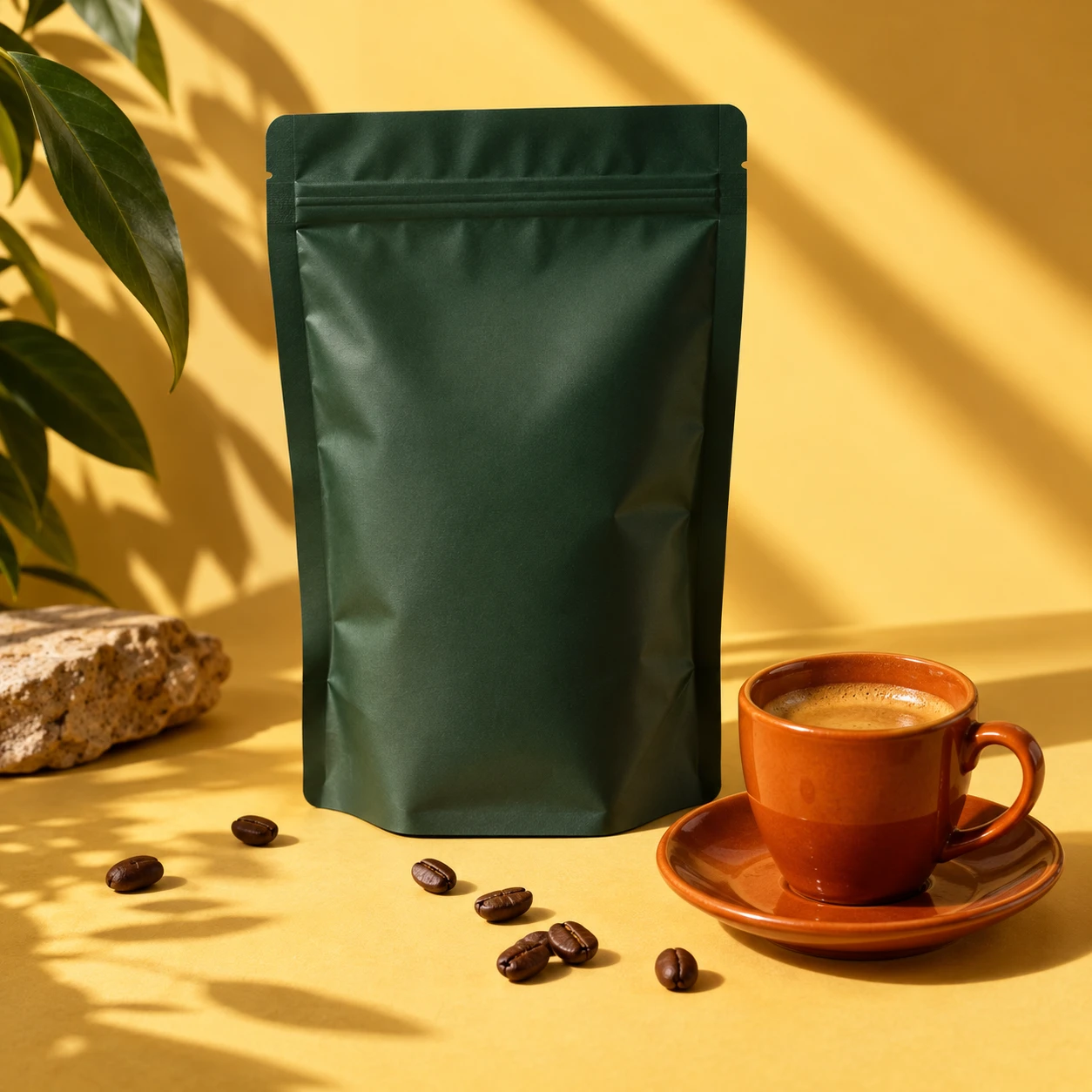 First Light Blend
A quiet start, in a warm-colored cup.
YOUR DAILY PAUSE / SAMPLE PRODUCT
First Light Blend
$18.00
An imagined everyday filter coffee with a cocoa-led profile, a hint of orange peel and a rounded finish. First Light belongs to the first clear corner of the kitchen table: a warm cup, a simple breakfast and a few minutes before the day fills up. Choose a whole-bean or filter-ground format to explore the local product demonstration.
Demo only. No payment, shipping or account. Bag clears on refresh.
Comfort first. A brighter note after.
First Light Blend is imagined around three moments in a cup: the comfort of cocoa, a brighter suggestion of orange peel and a rounded finish. Read these as the intended flavor direction of the concept, not a tasting report from a produced coffee. Leave a little time between sips; warmth and pace are part of the morning being pictured.
- 01First sip — a cocoa-led impression, warm and familiar.
- 02Middle — a brighter orange-peel note gives the profile a little lift.
- 03Last sip — a rounded finish that belongs beside a quiet breakfast.
A blend with a place in the day.
The idea begins in a small kitchen before the rest of the table fills up. A cup warms beside the brewer; toast waits on a plate; someone opens a window just far enough to hear the street. First Light is named for that interval. Its story is a daily setting, not an invented farm, certificate or producer history.
- The place — a clear corner of the kitchen table.
- The company — one person at first, another chair pulled out later.
- The pace — enough time to drink before reaching for the next task.
Fifteen grams. A little attention.
For a first filter brew, start with 15 g of coffee and 240 g of water: a 1:16 ratio. Try a medium grind and water around 92°C with a paper-filter brewer. The pours below are a suggested starting sequence, not a tested result for a manufactured product. Let the water draw through, taste, then change just one variable for the next cup.
- 00:00 — add 45 g of water, wetting the grounds evenly.
- 00:35 — pour gently until the scale reads 140 g total.
- About 01:05 — continue to 240 g total, then allow the brewer to drain.
- After brewing — note dose, water and taste before choosing one adjustment.
The same ritual, at a different scale.
Choose the format around the way the kitchen already works. Whole beans suit a routine that includes a grinder; filter-ground coffee removes that step. At a 15 g dose, a 250 g bag provides 16 complete portions with 10 g left, while 500 g provides 33 portions with 5 g left. Those counts are simple serving arithmetic, not a freshness or shelf-life promise.
- 250 g / Whole bean — the smaller format for grinding one dose at a time.
- 500 g / Whole bean — more of the same format for a frequently used grinder.
- 250 g / Filter ground — the smaller format for a paper-filter routine without a grinder.
Make the next cup easier to begin.
The smallest useful preparation happens after the cup is finished. Empty and clean the brewer, dry the cup and return the scale to its place. Keep a filter nearby without leaving the worktop crowded. The next morning starts with a clear surface rather than yesterday's unfinished task.
- Brewer — rinsed, drained and ready for a fresh filter.
- Cup — clean and within reach, with room beside it for the pot.
- Scale — returned to the same place so measuring is an easy habit.
- Table — one cloth and one clear patch, instead of a spread of equipment.
Give the cup a quiet companion.
A pairing does not need to imitate every note in the cup. Toast supplies warmth, an oat biscuit adds a gentle crunch and a slice of pear offers a cooler contrast. Choose one rather than building a crowded plate. These are serving ideas for the imagined coffee, not additional ingredients in the blend.
- Warm toast — a simple companion to the cocoa-led direction.
- Oat biscuit — a little texture without making breakfast feel elaborate.
- Sliced pear — a fresh contrast to a warm, rounded cup.
Let the last sip guide the next cup.
If the cup feels too concentrated, compare the next brew at 15 g of coffee and 250 g of water instead of 240 g. If it feels too light, try 230 g of water with the same dose. Keep the grind and pour sequence steady for this comparison. These small experiments explore strength; an unpleasant flavor may call for a different change.
- Too concentrated — compare 15 g / 250 g with the original 15 g / 240 g.
- Too light — compare 15 g / 230 g with the same original recipe.
- Unclear result — repeat the original once before changing something else.
Keep one line from the morning.
There is no need to turn a cup into a complicated ritual. One short note can be enough: where you sat, what you ate or which recipe felt right. Rinse the cup, fold the cloth and leave the place ready for tomorrow. The point is not a perfect routine, but a small part of the day that feels chosen.
- Today — write one concrete detail instead of a score.
- Tomorrow — keep the part that made the morning easier.
- At the end — put the cup away before beginning the next thing.